More Hope.
More thoughtfulness.

Here in the US we find ourselves saying things like, “Oh, that’s the grocery store that still owns itself.” Our economy definitely is not what it used to be. Chocolate has gone up by 400%. It’s like a vacuum cleaner in the sky has taken all the excess money, especially for those of us whose jobs got impacted. Instead of referring to this as an “economic pie,” I say it’s more like a cake that is being split horizontally. I am seeing the upper half float upward away from us, trailing a few crumbs.
So, how about something uplifting? I have a few things. I’ll intersperse them with some fun illustrations from my posts.
1) Anil Kale were chatting about how the US compares to some other cultures he has lived within. “What strikes me here is the sheer number of people willing to think beyond themselves. … there’s a significant number of people who go out of their way to support causes or ideas rooted in humanistic values. That willingness to step up for a higher ideal is incredibly inspiring to me.”
I’d like to extend this observation—there are people everywhere willing to think beyond themselves. Whether those people have money and connections affects their ability to transform their thinking into concrete outcomes for others.
As a result, often we see humanistic outcomes at a small scale. Helping a neighbor. Donating to a stranger who has cancer. Helping each other spread ideas at work. Running idea sessions before letting someone double down on just one approach. A variety of ideas, supporting a few thinking styles.
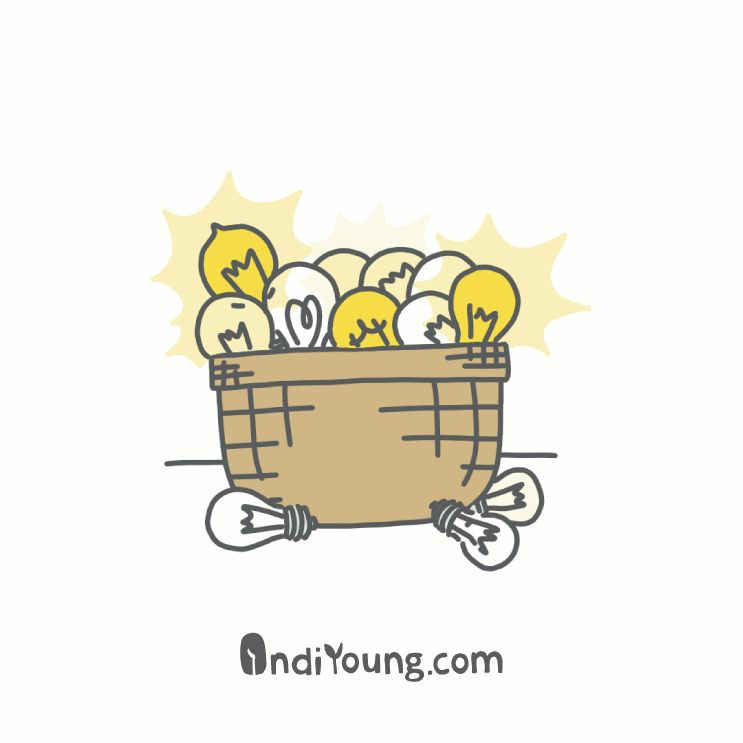
When you are creating a basket of ideas, you try to think like the people you serve. During this work, speak aloud what people are thinking, using “I” instead of “they.”
One of my team members says, “I get more juice out of it when I say the quote as that person.” 💡
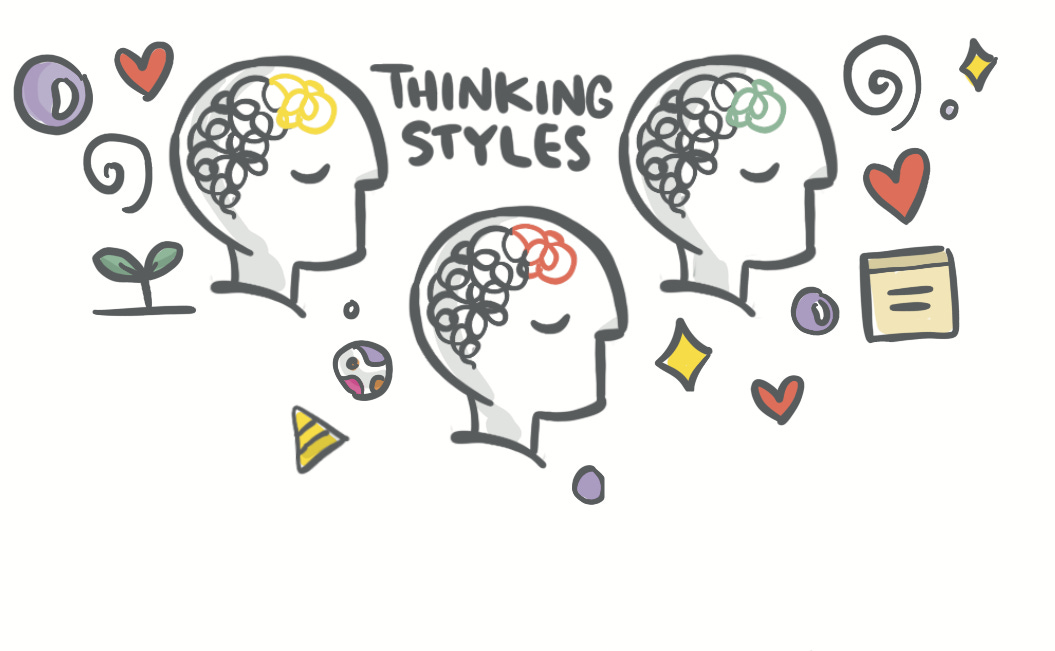
Our team uses thinking styles when we are doing an idea session. Thinking styles come from deep listening about people’s purpose/intention. It’s upstream from any ideas or solutions. People.
2) A new online conference is coming at the end of January, aiming at what’s next for all of us who help with products, services, policies, and programs. It’s called Throughline. It aims to reconnect us across broader fields, across roles. It’s about how we can help our organizations make thing more human for humans. More “being” for all “beings.” I personally hope it focuses on things that are not “design” in the common sense of the word. I hope it focuses on our connections within our teams, to our leaders, and across roles. At any organization, we’re all supposedly working on the same goal, so there is definitely a north star calling us. (Check out your mission statement. Unless you work for “big tech.” 🤣)

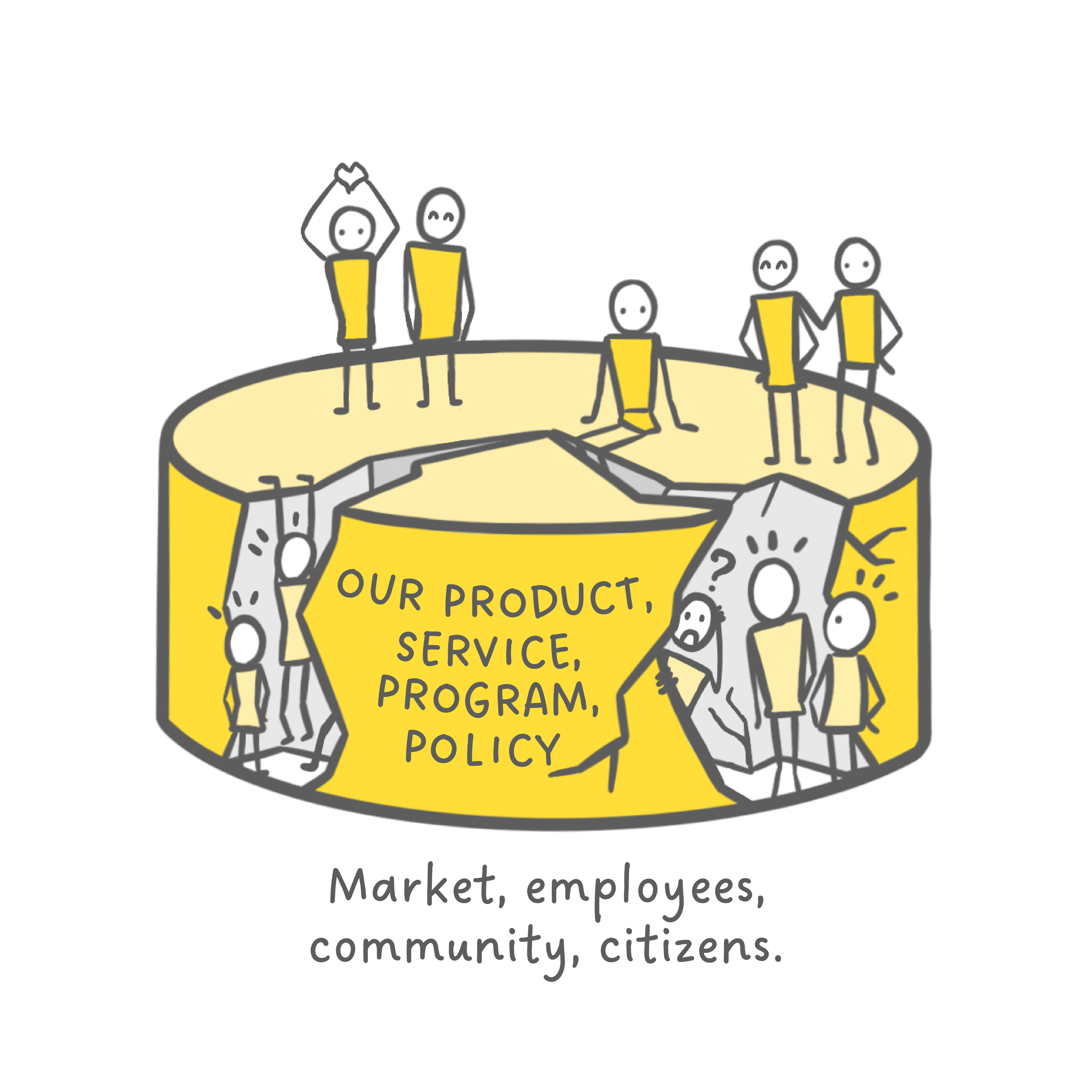
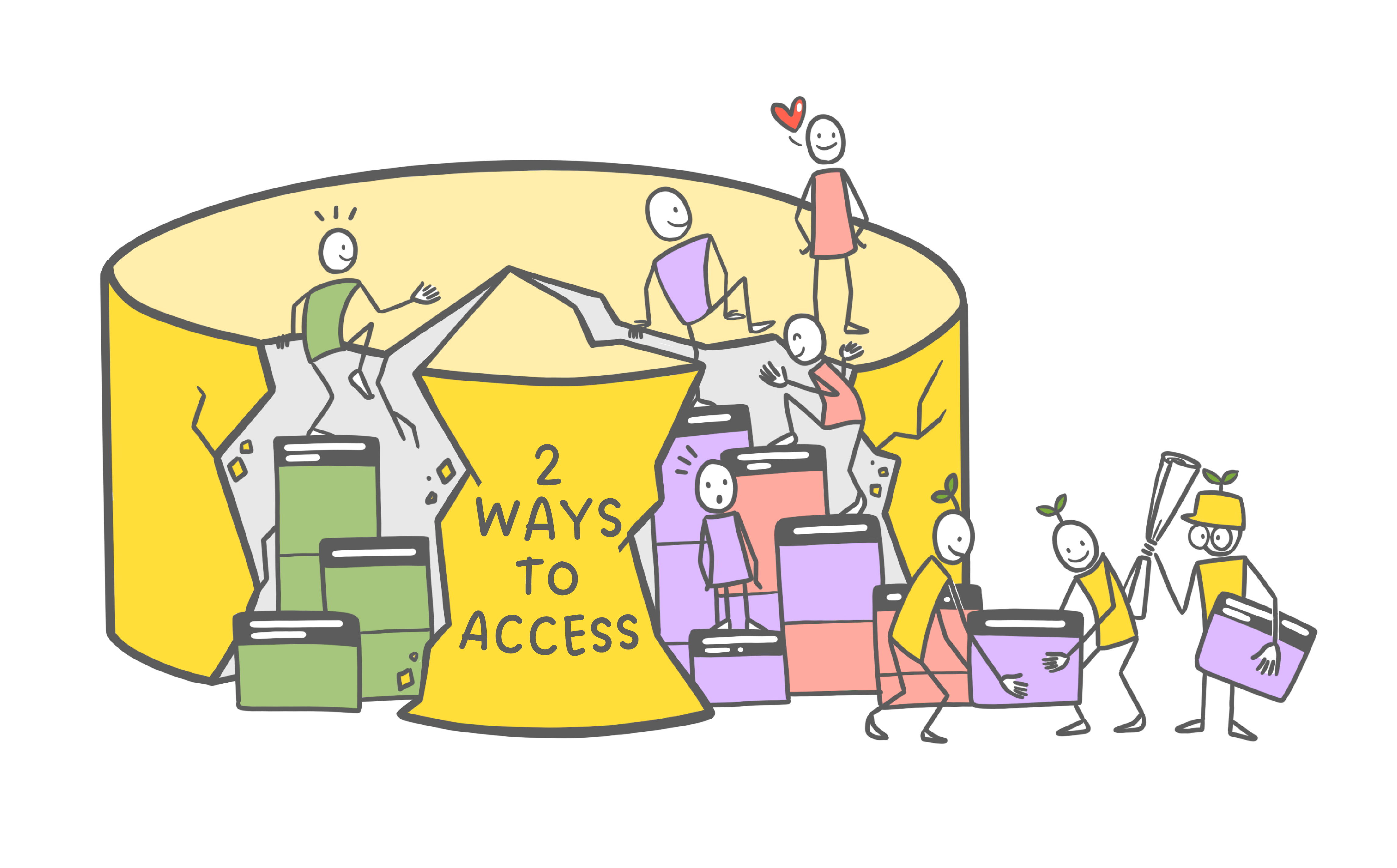
Mending existing solutions is a key type of #innovation.
But we call it “maintenance,” and we don’t glorify it. Some orgs actually despise maintenance work. It’s like we only want to work on new “things” ... when new _ideas_ are what help us fill in the cracks of systems that we have already created.
Instead of ignoring existing solutions, let’s them. We can align them with people’s cognition and see the gaps in a mental model skyline.
Teams that are used to making “one tool” that is supposed to serve “everybody” are often surprised to learn that they have averaged things out too much.
3) Stories Are Weapons by Annalee Newitz … propaganda, psyops, usually lead people to fear and hatret. But public service announcements lead people to agency and care. Can we double the positivity at our marches? Can there be positive propaganda inciting people to kindness and singing not hatred and rage?
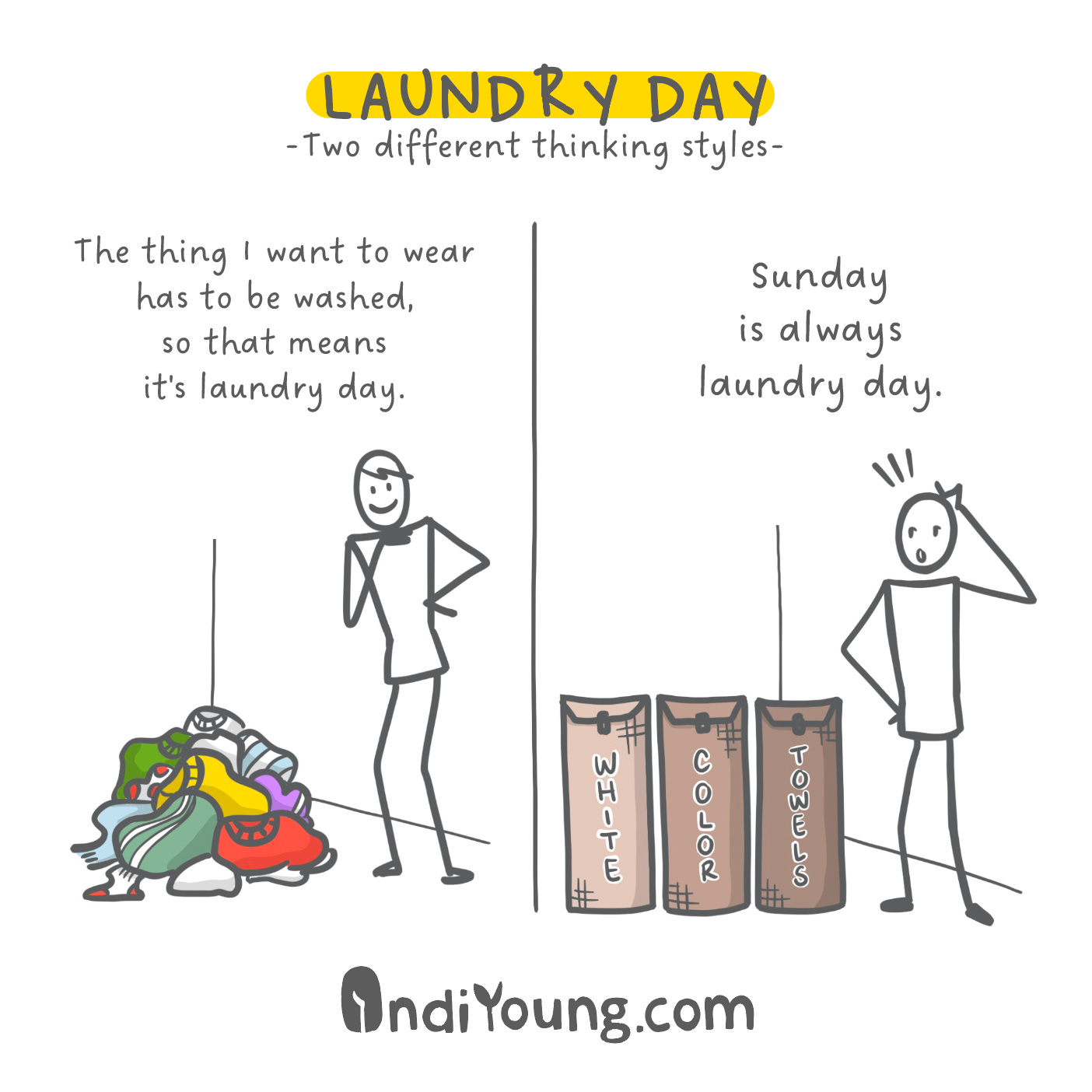
A person has a skill or ability, yes. But that person also has thinking styles when they are using that skill. Their thinking style might reflect past experiences or current circumstances.
When we see someone do something using a thinking style that varies from our own, sometimes we judge them. We judge their ability.
(Ever had a roommate whose approach to doing laundry was different than your own? Did you try to show them the “right” way to do laundry? 😆 That was just your thinking style vs theirs. You both ended up with clean clothes to wear.)
When we can see thinking styles, we can create solutions with variety to support those thinking styles. (I’m not talking 100 thinking styles. I’m talking two. Or five.)
Creating solutions for a variety of thinking styles, works not only for new innovative paths but also works really well for mending existing solutions.
Variety is the key to better products, better solutions, better economics, better society. Variety adds strength. It adds beauty. It adds humanity. It can rehumanize our system.
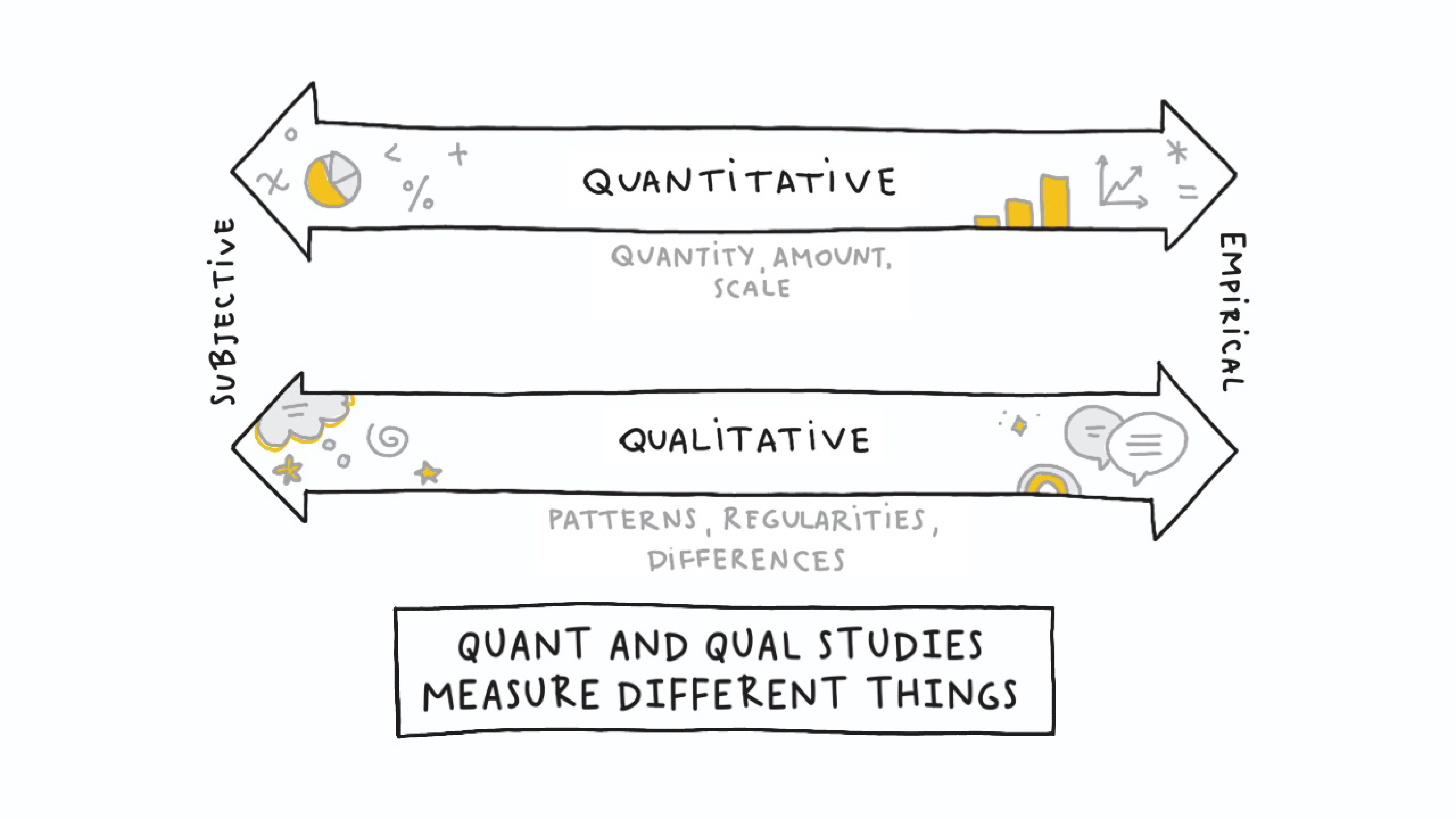
4) Second edition of Service Design is out! I chat with one of the authors, Andy Polaine, frequently, and he liked my dual spectrum explaining the uses of qualitative data and quantitative data. It ended up in the new edition!
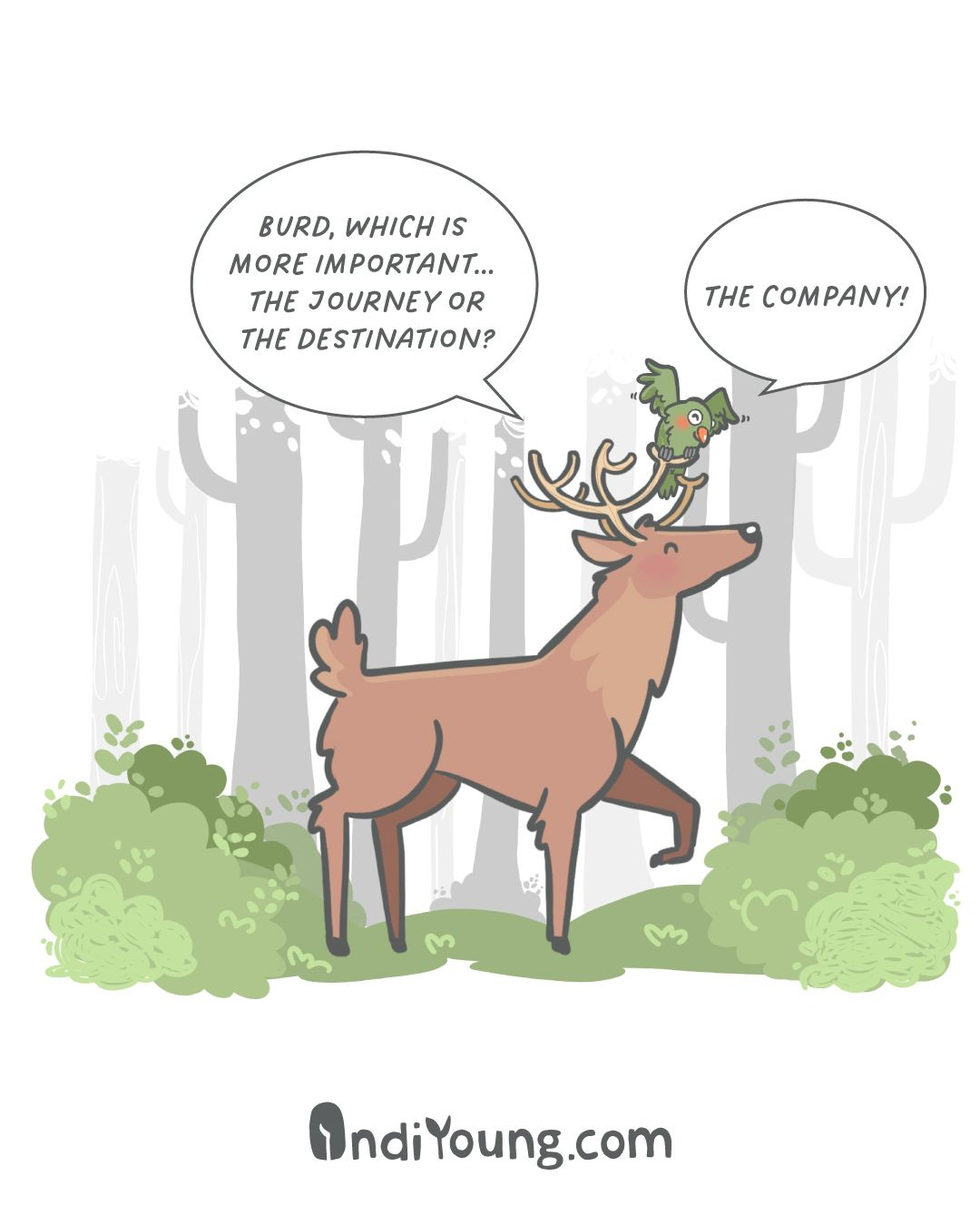
Much of our work time is spent alone ...
... commenting, reading articles, writing, programming, recording, playing with data, listening to talks, scrolling through posts
It’s not enough for our humanity.
If you are alone, join or form a tiny community. Run weekly working sessions -- a chance to be together in a constructive way.
No agenda necessary, decide as you go, 3-12 people
Discuss things
Collaborate
Feel seen
5) Steve Portigal’s novella Occupied Minds offers a tongue-in-cheek explanation why our global leadership is not doing enough to stop our planet from becoming a methane paradise. I loved the variety of characters and the detail of their inner thinking, emotional reactions, and personal rules. Steve did a great job!

I’m halfway through the second edition of Time to Listen! Since I’m my own editor, it has been fun to go through the earlier edition trimming things down and making them clearer. Mainly, though, there are a few concepts I have updated. I have added a few illustrations. And also the team creating the Spanish translation have made me rethink how to explain some things. When both the second edition (in color!) and the Spanish translation are ready, they’re gonna be golden!

I’m also halfway through the all-new course Finding Thinking Styles! My team and I have been working all year to clarify thinking styles, their uses, and how to find them for your own team to use. I am so looking forward to launching the first Practice Group for Finding Thinking Styles!