
Pretty Pictures
A quick visual break for you

The best part of my week is crafting illustrations with muyjess, us figuring out how to show what I mean. A lot of these illustrations appear on LinkedIn or Bluesky. Since not everyone sees them, I thought you’d enjoy a quick, interesting break. Emphasis on quick.
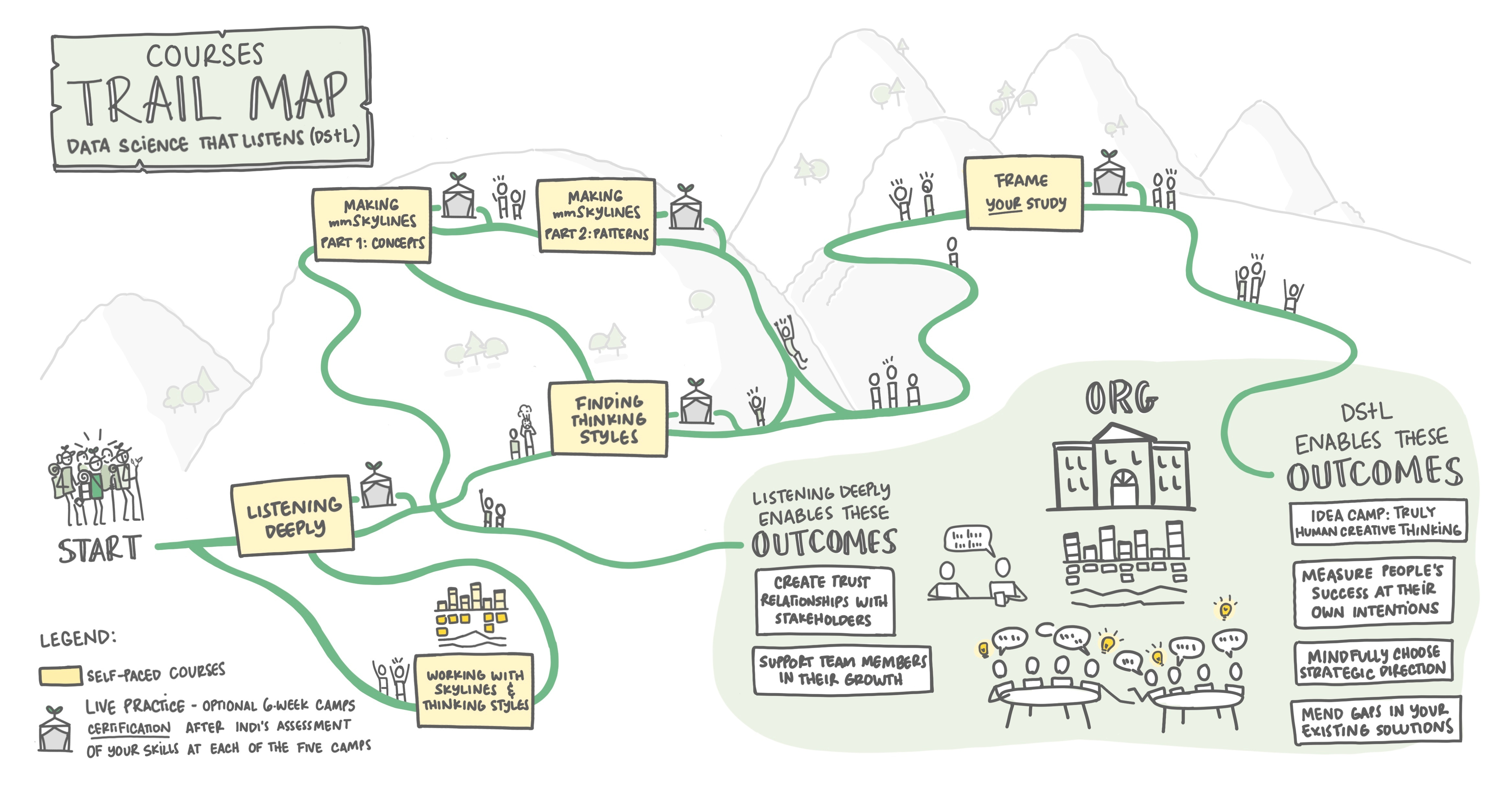
Post: Listening Deeply is life-changing for product creators and designers! 25% DISCOUNT on the self-paced course right now: PREP4FTS. I opened enrollment for a Practice Group for Listening Deeply that starts end of March and runs every Wednesday in April. … If you want in on the new upcoming Finding Thinking Styles course, you'll need to learn how to listen deeply. Each of my self-paced courses takes a few weeks (in a typical overwrought work schedule). Get started now, one short lesson every workday, and you're there!
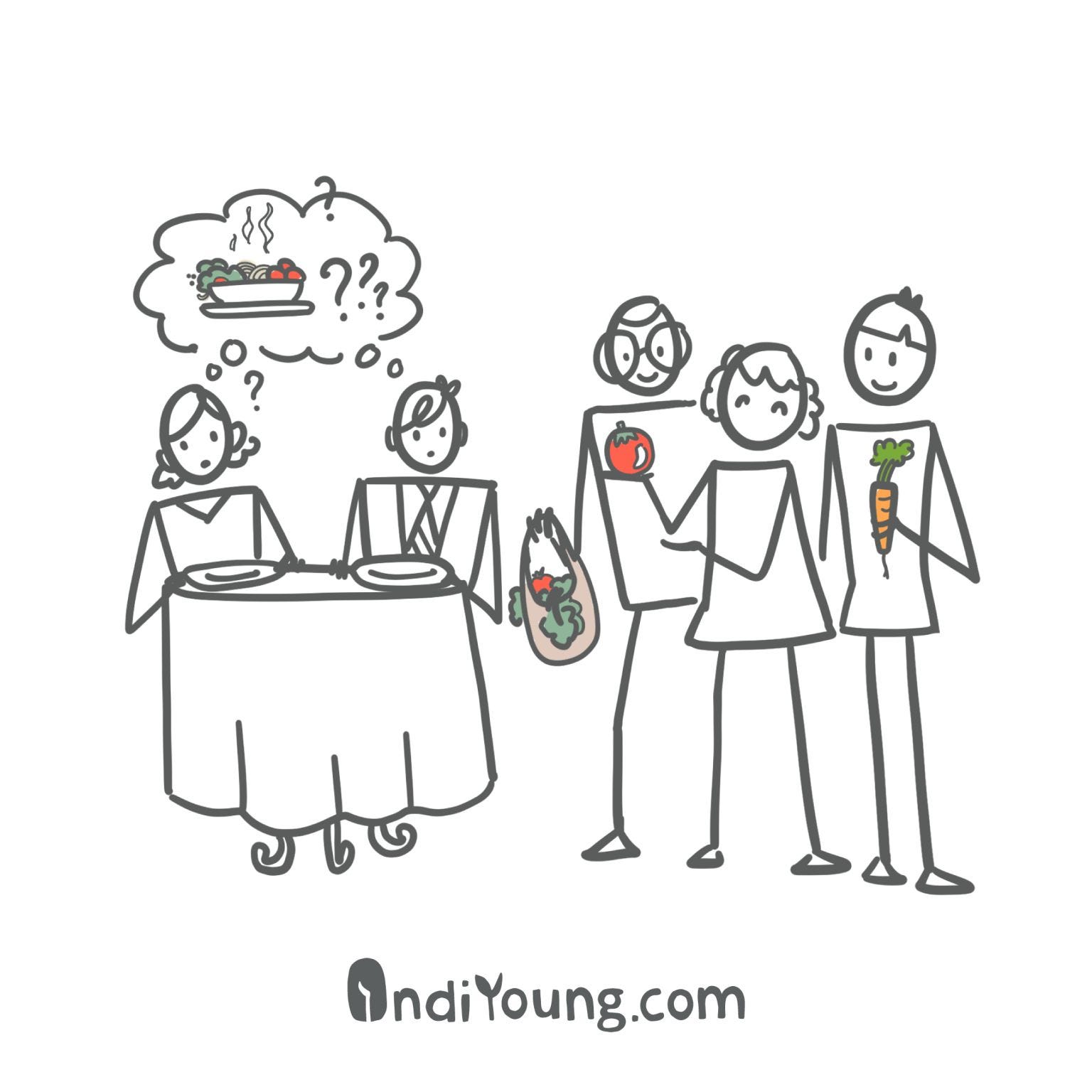
Post: It sounded like the researchers were saying, "You need to eat nutritious foods. Here are some nutritious groceries. You might need to go find some cookbooks." And the product managers and strategists were going, "I would LOVE nutritious foods, but we don't have time to cook. I thought you were going to cook whole meals for me."
But the REAL story here is that organizations prevent PMs, strategists, and researchers from enjoying long meals together. Typical operations forbid taking time like this. It’s as if Leadership forbids employees from making really good solutions. Instead, we can discuss the cognition of people we aim to serve, and come up with ideas that are more brilliantly pointed at specific thinking styles. … The people who work directly with Leadership are the ones who can change operations to invite periodic, thoughtful exploration of a foundation model.
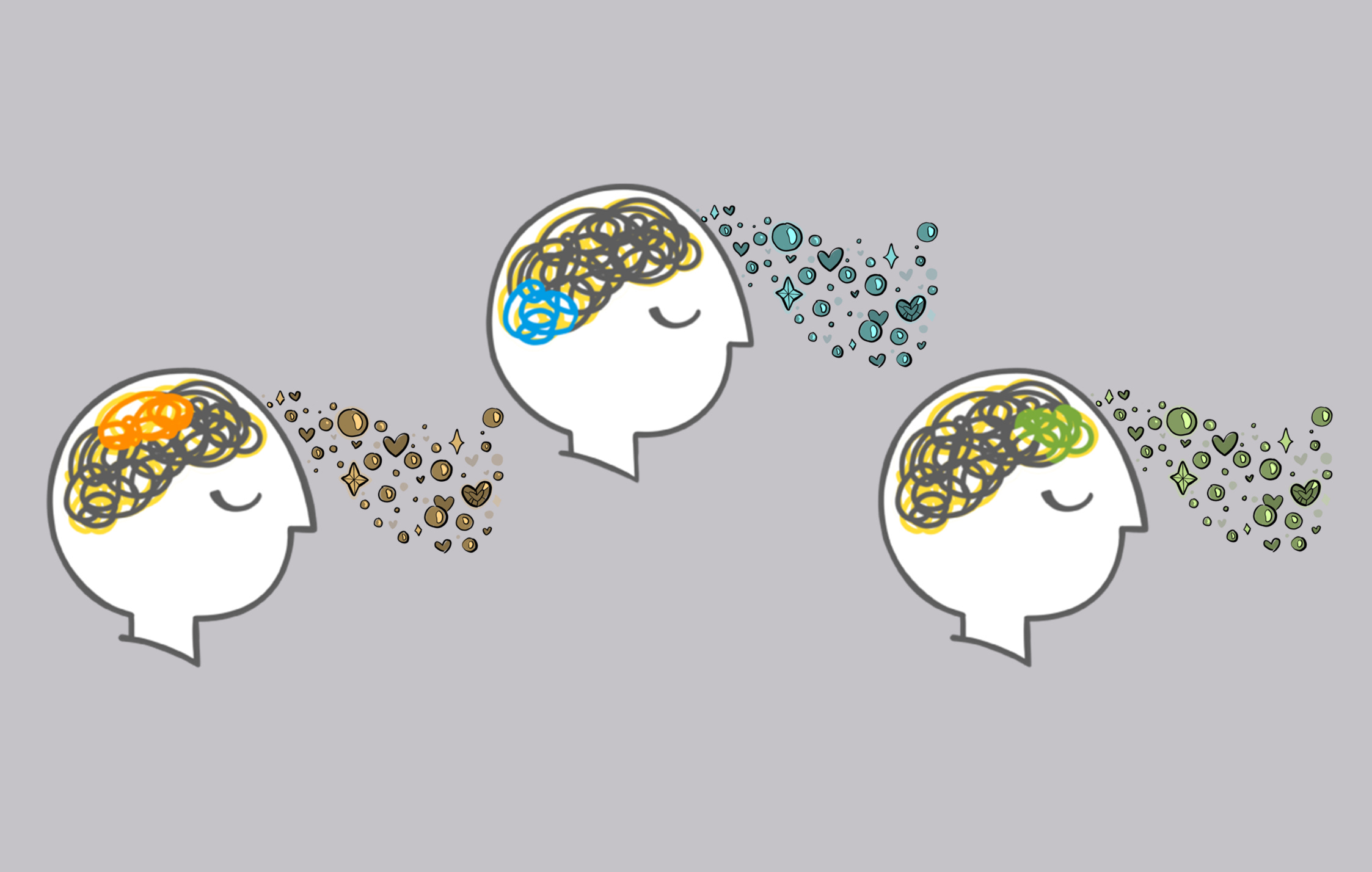
Post: I just read from Bryan Walsh at Vox that ideas are getting harder to find. His article is about the science world. Many teams think they can spark a useful ideas from just a few conversations with users. They hurry, and they get stuck in familiar ruts. It messes up the chances for truly supporting people with something nuanced. … Using data from broader patterns helps teams think slow, but in a short time span. Thinking styles and the stories we tell about them are how even junior team members can stop the team from rolling with constricted ideas.
Here’s a story. (or click this listening/video option) A team at the Nutrition Council is working on a new initiative: get more leafy greens on people’s plates. They have worked on and tracked many initiatives over the years, about topics ranging from added sugars to vitamins. They gather information about leafy greens consumption in the population, interview nutrition experts, farmers, and professional chefs. This time, they also have a set of thinking styles from a study they did using Data Science that Listens. (read the story)
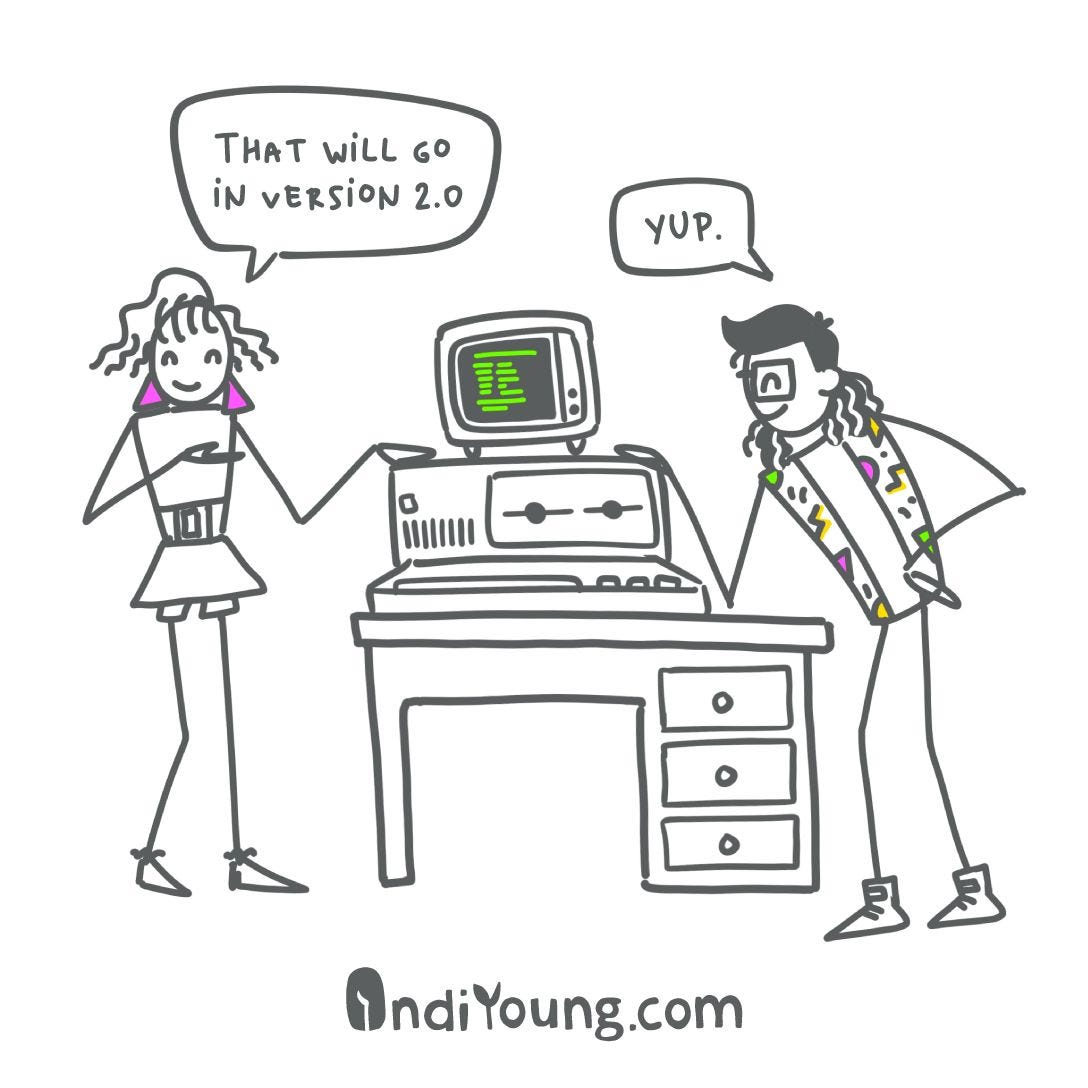
Hilariously, our mindset hasn't shifted since the 80's (or probably forever!) about making stuff. We always focus our energy on the current solution, and any extra ideas will go into the next version. We have a saying, "That will go in version 2.0." … And yeah, unless we carefully collect the extra ideas and have energy (and budget) behind them, there is never a 2.0. … But you can LET GO of collecting extra ideas. Instead you could regroup after each launch and run an idea camp. Idea camp is furnished with existing foundational knowledge, thinking styles, and a mental model Skyline. Here in camp, the team decides the priority direction for the next step, then frames brainstorming with one story about one purpose people have, focused on one thinking style. The rule is to get past all the typical ideas and get at least five really, really nuanced, new ideas for this one thinking style within this one story. (Which of course represents a big market, either new or existing.)
Post: New year's resolution: schedule a lunch or a coffee with one decision-maker a week. Cut across departments. And rotate around to the start of your decision-makers list again, so that you have at least four or five chances in the year to have 1-to-1 listening sessions with them over lunch or coffee. … Listening sessions are a chance for you to make the decision-maker feel heard. Eventually, when they see what you're doing, they will invite you to say something, too.
The outcome: our field and PMs creative work will occupy the minds of decision-makers.